
Let me be clear about something.
You cannot stop someone from making an allegation against you or your construction firm. It’s as simple as filing a claim, writing a letter, or posting on social media.
The question isn’t whether you can prevent allegations. You can’t.
The question is whether you understand what triggers them and what you can actually control.
The Real Trigger
I’ve analysed what pushes someone from unhappy to filing a claim. It’s rarely about the defect itself.
It’s about not being listened to.
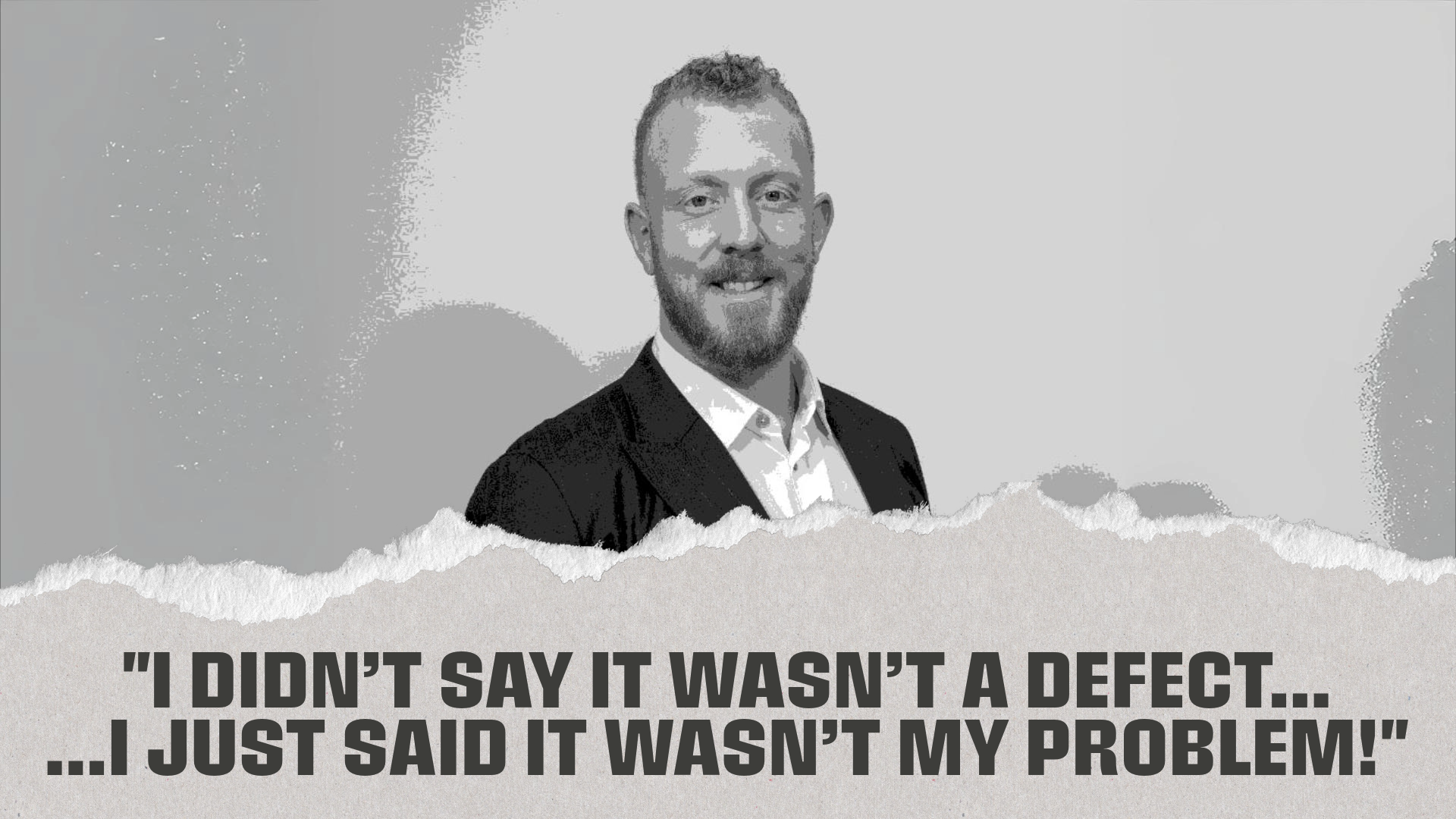
Picture a builder refusing to return to the site to fix legitimate defective work causing damage to a property. The owner raises the issue. The builder’s representative pushes back, states “it’s not a defect” without evidence, and refuses to engage.
That’s when allegations happen.
Research shows that more than half of all project budget risk stems from ineffective communications. Not technical failures. Communication breakdowns.
The Human Barriers
Most risk management advice focuses on contracts and documentation. That’s not wrong, but it misses the psychology.
When a builder refuses to address legitimate defects, three barriers are at play: pride, psychology, and cost.
Pride takes a hit when someone suggests your work is defective. The psychological barrier kicks in because accepting the issue means accepting responsibility. The cost barrier makes it easier to deny than to fix.
These human factors drive more allegations than contractual ambiguity ever will.
A builder acting reasonably should take a factual approach to the informal dispute process. But representatives often respond with opinion instead of evidence, creating a power imbalance that pushes owners toward formal legal action.
Facts and Compassion
There’s a difference between a builder who’s really listening and one who thinks they are.
Real listening means responding with facts and compassion. Having empathy for an owner experiencing the consequences of a defect during a stressful time.
Most builders believe they’re being factual when they say “it’s not a defect.” But without substantiation or evidence, that’s just opinion.
The gap between thinking you’re transparent and actually being transparent comes down to action. Transparency means accepting uncomfortable truths and acting on them, not just communicating better.
Ignorance is not a tool you can use to claim transparency.
The Independent Expert Strategy
Here’s what most companies see as an expense I see as prevention: bringing in an independent expert early.
An expert provides an unbiased assessment based on experience, education, and training. Critically, they have no financial stake in the outcome.
That lack of investment is what makes their opinion powerful.
I’ve seen many projects employ independent experts to provide opinions that become the foundation for conflict avoidance and dispute resolution. The expert’s assessment shifts the power dynamic by giving both parties clear information about liability and root cause.
When an owner is better informed about who’s responsible, they gain leverage. That can mean threatening legal action or reporting issues to the building commissioner, which affects licenses and insurance.
But it also means the builder can’t hide behind opinion anymore. The facts are established. If the expert confirms defects exist, the builder still has to pay to fix them, but the issue can be managed in-house without escalating to litigation or becoming publicly known.
The Reality Check
Even when you do everything right, someone can still make an allegation against you.
The difference is that you’re better equipped with evidence based on facts and expert opinion. You’ve reduced liability. You’ve kept communication lines open. You’ve been honest and transparent.
Simple acknowledgment of complaints can prevent frustration from escalating into formal disputes.
You cannot control whether someone files a claim. You can control how prepared you are and whether that allegation escalates into costly litigation.
That’s the mature approach to risk management in construction. Not promising prevention. Ensuring preparedness.
N.B. The information contained in this article is provided for general informational purposes only and does not constitute legal, professional, or expert advice. Readers should seek independent advice tailored to their specific circumstances before making decisions based on the content herein. Contract Australia and the author disclaim any liability for actions taken based on this article.
